

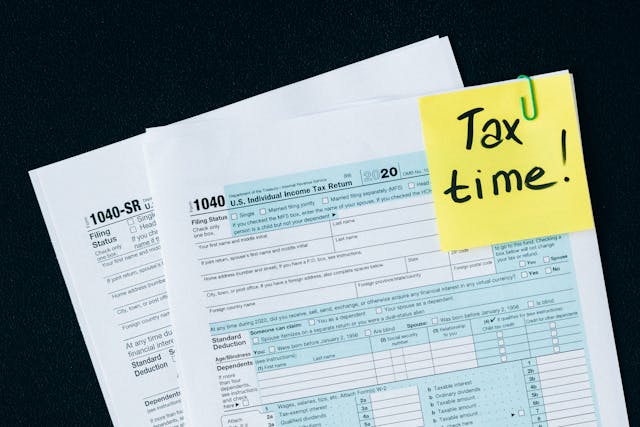


Transitioning from Florida No-Income Tax to New York

Unlocking the Secrets of Florida’s Real Estate License

If you already have a real estate license from another state, here are three options to get your Real Estate license in FL

Option #1 – License Mutual Recognition (Non-Residents Only)

Florida has mutual recognition agreements with 10 states: Alabama, Arkansas, Connecticut, Georgia, Illinois, Kentucky, Mississippi, Nebraska, Rhode Island, and West Virginia. If you hold an active, valid license in good standing from one of these states and you are a non-resident of Florida at the time of application, you can bypass the standard pre-licensing education. To get your equivalent Florida license, you must submit a certified license history from your home state and pass a 40-question Florida-specific real estate law exam with a score of 30 out of 40 (75%) or higher. Note that you are still required to fulfill all subsequent Florida post-license and continuing education requirements.

Option #2 – Using Out-of-State Experience for a Florida Broker License

If your home state does not have a mutual recognition agreement with Florida, you can still use your out-of-state experience to accelerate your career. If you have held an active real estate license for at least 24 months within the preceding 5 years, you fulfill the experience prerequisite to apply for a Florida Broker license. However, you do not bypass testing. You must successfully complete the Florida 72-hour broker pre-licensing education course and pass the comprehensive 115-question Florida State Broker Examination with a score of 75% or higher.

Option #3 – Acquire a Florida Sales Associate’s License

If you do not meet the out-of-state experience requirements, or if you simply prefer to start fresh without the added responsibilities of a broker, you can obtain a standard Florida Sales Associate license. This path requires you to complete the FREC-approved 63-hour sales associate pre-licensing course, pass the course exam with a 70% or higher, and pass the 100-question Florida State Examination with a score of 75% or higher.

Play it Safe in the Sunshine State

Considering Florida’s unique legal environment, completing a Florida-specific pre-licensing course is the best way to protect your business and prevent errors that could lead to disciplinary action by the Florida Real Estate Commission (FREC). No matter what state you come from, real estate laws vary wildly across borders. Treat Florida like a whole new territory when it comes to compliance—it is always better to be safe than sorry! For the official statutory guidelines, you can review Chapter 475 of the Florida Statutes.

Florida Real Estate Sales Associate Pre-Licensing Self Paced Course

$249
  • State Required Education – 63 Hours
  • Images, charts, and examples to make it easy to understand complex concepts
  • End-of-unit quizzes and a practice end-of-course exam reinforce key concepts
  • The practice activities provide an interactive method of concept reinforcement and self-testing
  • Access to Course for 6 Months
  • *We recommend including the Florida Sales Associate Textbook as an additional resource

Florida Real Estate Broker Pre-Licensing

$335
  • The course fulfills your 72 hours of Florida broker relicensing education requirement
  • You will learn helpful information about owning and managing a broker office, including business plans, budgets, and profit and loss statements
  • The course will help you understand difficult concepts in new course videos
  • Access to weekly instructor-led Interactive Study Group

Florida Sales Associate Textbook

$75
  • Florida Real Estate Principles, Practices & Law sets the standard for real estate education in Florida.

Call or text us if you have any questions! 518-855-3680 – Become a Manfred Member Today for 20% OFF FL Sales Associate Pre Licensing Courses

Why Not Start Right? A Complete Real Estate Career Package.

The dynamic world of real estate offers excellent opportunities for income and career growth. Nevertheless, it requires more than just an understanding of the property market. It demands a well-rounded skill set that includes marketing, client relationship management, and resilience in the face of market volatility. To prepare new real estate agents for this daunting challenge, Manfred Real Estate School has innovatively packaged the Career-In-A-Box program. This all-in-one real estate sales and marketing solution revolutionizes the way new real estate agents approach their budding businesses. Fostering independence from Sponsor Brokers and empowering them to take charge of their marketing and client relationships.

Relying on Sponsoring Brokers: What’s the Catch?

We Don’t Just Sell Courses, We Build Careers

5 Steps to Get Your Real Estate License in Florida

Step 1: Complete the 63-Hour Florida Pre-Licensing Course

Successfully completed the state-approved 63-hour Florida Real Estate Sales Associate Pre-License Course. This foundational education covers real estate principles, practices, and Florida license law.

  • The Manfred Advantage: You can complete this entire requirement online at your own pace through our Manfred RELC Online Portal.
  • Florida Bar Exception: If you are an attorney in good standing with the Florida Bar, you are exempt from the 63-hour pre-license course requirement. You can bypass the course by submitting a copy of your current Florida Bar card with your license application, though you are still required to take and pass the state exam.

Step 2: Submit Your Fingerprints and State Application

Before scheduling your exam, you must complete a background check and gain approval from the Florida Department of Business and Professional Regulation (DBPR).

  • Electronic Fingerprinting: Schedule a digital “Livescan” fingerprinting session with an approved vendor at least 5 days prior to submitting your application. Fingerprint vendor fees typically range between $40 and $90. You must provide your Social Security number and the official real estate agent ORI Number: FL920010Z. You can review the state’s instructions on the DBPR Fingerprint Guide.
  • The DBPR Application: Submit your official application online. The current state application fee has been reduced to $62.75. You can create your account and apply directly on the DBPR Online Portal. DBPR application review typically takes between 10 to 30 days.

Step 3: Pass the Florida Real Estate State Exam

Once the DBPR approves your application, the state’s testing vendor, Pearson VUE, will email you an “Authorization to Test” containing your unique 9-digit Candidate ID number.

  • Scheduling: The state examination sitting fee is $36.75 per attempt. You can schedule your testing seat by calling Pearson VUE at 888-204-6289 or by booking online through the Pearson VUE Florida Real Estate Portal.
  • Exam Structure: The test consists of 100 multiple-choice questions covering real estate law (45%), general principles (45%), and real estate math (10%).
  • Passing Score: You must score a 75% or higher to pass.
  • Retake Policy: If you do not pass on your first attempt, you can log back into your Pearson VUE account to schedule a retake as early as 24 hours later. Each subsequent attempt requires an additional $36.75 fee.

Step 4: Access and Download Your License

Upon passing the state exam, your score will automatically synchronize with the DBPR database. You can log into your secure account on the DBPR website to download and print your official real estate license. Your initial license will remain in an “inactive” status and will be valid for a period of 18 to 24 months, depending on the state’s biannual renewal cycle (March 31 or September 30) following your test date.

Step 5: Activate Your License with a Sponsoring Broker

To legally practice real estate in Florida, your license must be shifted to “active” status by aligning with a licensed real estate brokerage.

Your chosen sponsoring broker will officially activate your license by filing the DBPR RE 11–Sales Associate Form online or via paper mail. We highly recommend interviewing multiple brokerages to find the culture, commission splits, and training programs that align with your career goals. For step-by-step guidance on navigating this transition, check out our Real Estate Business Launch Course.

Transitioning from Florida's No-Income tax to New York can present significant financial changes for those making the move. Florida's appeal lies in its lack of state income tax, allowing residents to retain more earnings. However, this benefit vanishes upon moving to New York, where state income taxes are among the highest in the country. New York's tax structure includes multiple brackets, affecting various income levels differently, which can impact disposable income and overall financial planning. Understanding these differences is crucial for anyone relocating. Transitioning from Florida to New York requires careful financial preparation, as the higher tax burden in New York may lead to unexpected expenses. Strategic financial planning is essential to navigate this shift effectively. Proactively addressing these changes can help mitigate the impact on your finances, ensuring a smoother adjustment to New York's tax environment.

Evaluating New York's Income Tax Structure: What to Expect

In New York, income tax rates vary based on earnings, with multiple progressively increasing brackets. For those relocating from Florida, this shift can lead to a substantial change in take-home pay. New York's tax rates start at a lower percentage for modest incomes but can rise significantly for higher earners. This difference means that individuals with higher income levels will feel the impact more acutely, potentially reducing their disposable income. The contrast between Florida's no-tax policy and New York's tiered system highlights the need for careful budgeting and financial adjustments. As income increases, so does the tax rate, making it crucial to understand where your earnings place you within New York's brackets. Proper financial planning will help you navigate these changes, preparing you for the higher tax obligations of living in New York.

Preparing for Property Taxes in New York

New York's property tax system differs significantly from Florida's, where property taxes tend to be lower overall. Local governments determine property taxes in New York, so expect them to vary widely depending on the county and municipality. The rates are generally higher, which can be a considerable adjustment for those moving from Florida. While Florida offers relatively modest property tax rates, New York's can be a substantial financial concern, especially in areas with higher property values. You should understand this difference clearly to budget efficiently and make financial plans. To manage the higher property taxes, consider strategies such as appealing your property's assessed value if you believe it's too high, exploring tax exemptions that might be available, and factoring these costs into your overall housing budget.

Estate Planning Adjustments When Moving to New York

The fact that Florida has no state estate tax often allows for more straightforward estate planning. On the other hand, New York estate tax, with specific thresholds and regulations, could significantly impact your estate. Revisit your estate planning documents to ensure they comply with local laws and tax requirements.

First, assess whether your current estate plan reflects New York's tax implications. For example, the estate tax exemption threshold is lower than the federal exemption, meaning estates valued above this threshold could face substantial taxes. Failing to address these differences could result in unexpected tax liabilities for your heirs.

Consider working with a financial advisor or estate planning attorney to align your estate plan with laws. They can help you explore strategies to minimize estate taxes, such as creating trusts or making charitable contributions.

Tax Deductions and Credits Available in New York

Transitioning from Florida's no-income tax to New York also requires navigating the tax deductions and credits. New York offers various tax benefits that can help reduce the impact of its higher taxes. For instance, residents may qualify for deductions related to property taxes, mortgage interest, and charitable contributions. Additionally, New York provides specific credits, such as the Earned Income Tax Credit (EITC) and credits for child and dependent care expenses, which can further reduce your tax liability.

These deductions and credits offset some of the financial burdens associated with the move. Yet, those unfamiliar with New York's tax system often overlook them. To maximize your tax savings, explore all available options and claim every deduction and credit you are eligible for. Consulting a tax professional can help you identify these opportunities and maximize tax benefits, easing the financial transition to your new state.

Transitioning from Florida's No-Income Tax to New York: Strategies to Minimize Tax Liabilities

To minimize tax liabilities in New York, you might need strategic planning and a proactive approach to financial management. Here are some effective strategies:

  • Tax-Efficient Investments: Consider investing in tax-exempt municipal bonds, which can provide income free from state and federal taxes. Also, diversify your portfolio with investments that generate capital gains taxed at lower rates.
  • Retirement Contributions: Maximize contributions to retirement accounts like 401(k)s or IRAs. These contributions are typically tax-deductible, which can lower your taxable income for the year.
  • Charitable Donations: Donate to qualified charities. These contributions can be deducted from your taxable income, helping to reduce your tax burden while supporting causes you care about.
  • Utilize Tax Credits: Explore New York-specific tax credits, such as the College Tuition Credit or the Solar Energy System Equipment Credit.

Implementing these strategies can significantly reduce your tax liabilities, allowing you to keep more of your income.

Planning for Additional Costs of Living in New York

Living in New York comes with higher expenses than Florida, making it crucial to adjust your financial plans accordingly. Almost everything in New York costs more, from housing to groceries. This significant increase in living costs will likely impact your budgeting and financial goals. For instance, you may need to allocate more of your income to cover rent, utilities, and transportation.

At the same time, when planning your move from Florida to New York, hiring professional movers is a good idea to ensure a cost-effective and easy transfer to New York. Experienced movers offer several advantages that can reduce financial burdens from the outset. Firstly, they are skilled in safely packing and transporting belongings, which minimizes the risk of damage to your items—damage that could otherwise lead to unexpected replacement costs. Also, professional movers are adept at navigating the logistical challenges of a move to NYC, which can prevent costly delays. Their expertise in handling relocation specifics, from securing the right permits to knowing the quickest routes, ensures a smooth process that aligns with your budget and timeline. By investing in professional moving services, you safeguard your possessions and optimize your relocation budget, setting a positive tone for your new life in New York.

In addition, prioritize essential costs and look for areas where you can reduce non-essential spending. Another key point is to explore discounts, local deals, and budgeting apps that can help you manage daily expenses more effectively. Lastly, consider building an emergency fund to cushion unexpected costs expected in a high-cost environment like New York.

The Role of Professional Financial Advisors in Your Transition

Make sure to consult with a professional financial advisor when moving to New York, especially given the state's complex tax system and higher cost of living. An advisor can provide personalized guidance, helping you navigate the intricacies of New York's tax regulations. They can also help you adjust your financial plan to accommodate the increased living expenses in New York.

Working with a financial advisor offers the benefit of ongoing planning and review, which is necessary for maintaining economic stability in a new environment. Regular check-ins with your advisor can help you stay on track with your financial goals and adapt to any changes in your income or expenses. You will also be able to make informed decisions about investments and savings.

Conclusion

Transitioning from Florida's no-income tax to New York involves significant financial changes that require careful planning. By understanding the differences in tax structures, adjusting your estate plan, and exploring available tax deductions and credits, you can better manage the impact of higher property taxes. Consulting with a professional financial advisor can also provide valuable guidance. It can help you navigate New York's complexities and maintain monetary stability. Proper preparation and ongoing financial management will ease your transition from Florida's no-income tax to New York. It ensures you are well-equipped to handle the challenges and opportunities of your move.

Why just get your real estate license in FL, when you can get so much more?

” One of the first paths to success is the opportunity to learn. The Manfred family has perfected the methods to learn the business of real estate. As someone who has struggled with classrooms his entire life, attending MRELC was comfortable, exciting but most importantly, a great way to learn. Thanks again!!” – William W

How to Get a Florida Real Estate License: Requirements, Courses, and Career Tracks

Are you ready to embark on an exciting journey toward obtaining your real estate license in Florida? Look no further than Manfred Real Estate Learning Center! Our comprehensive education programs, experienced instructors, and proven track record of success make us the premier choice for aspiring real estate professionals.

Whether you are looking to become a Florida Real Estate Sales Associate, Broker, or a Certified School Instructor, we have the resources, online flexibility, and professional support you need to achieve your goals.

Florida Real Estate Education Requirements Explained

Before diving into the specific steps for each license type, it is essential to understand the overarching regulatory framework set by the state. The Florida Real Estate Commission (FREC) mandates that all licensing candidates complete a specific number of state-approved pre-licensing education hours. This foundational knowledge ensures you are legally compliant, competitive, and well-equipped to excel in the marketplace.

1. Florida Real Estate Sales Associate Requirements

To kickstart your career as a licensed Sales Associate, you must complete the state-mandated educational foundations.

  • Pre-Licensing Coursework: You must complete a FREC-approved 63-hour sales associate pre-licensing course. This comprehensive program covers essential topics such as real estate principles, modern property practices, and Florida-specific license law. You can complete this requirement entirely online via our Manfred Florida Sales Associate Course Portal.
  • The State Examination: After passing your course final exam, you must register for and pass the 100-question Florida Real Estate Sales Associate State Exam administered by Pearson VUE, scoring a 75% or higher.

2. Florida Real Estate Broker Requirements

If you are ready to manage an office, hire agents, or operate an independent brokerage firm, the Florida education and experience requirements become more advanced.

  • Experience Prerequisite: You must demonstrate at least 24 months of active real estate experience as a licensed sales associate within the preceding 5 years. This experience can be gathered in Florida or any other U.S. state.
  • Pre-Licensing Coursework: Candidates must successfully complete a state-approved 72-hour broker pre-licensing course. This advanced curriculum deepens your knowledge of escrow account management, investment analysis, and business operations. 
  • The State Examination: Broker candidates must submit a completed application to the Department of Business and Professional Regulation (DBPR) and pass the comprehensive 115-question Florida Real Estate Broker Examination.

3. Florida Real Estate School Instructor Requirements

Becoming an educator allows you to shape the next generation of real estate professionals. Under Florida law, there are multiple paths to qualify as a certified school instructor.

  • Experience or Education Prerequisites: To qualify, you must fit into one of the following categories:
    • Hold an active, valid Florida real estate broker’s license for at least 24 months out of the preceding 5 years.
    • Hold a valid bachelor’s degree in a business-related field from an accredited college or university.
    • Possess extensive lawful real estate experience or alternative educational backgrounds approved by FREC.
  • The State Examination: Unlike standard licenses, instructor candidates must take and pass the dedicated Florida Real Estate Instructor Examination. Our targeted Manfred Instructor Prep Programs are designed to help you navigate this rigorous regulatory assessment and establish yourself as a respected industry educator.

Why Choose Manfred Real Estate Learning Center?

Pursuing your real estate license is a significant investment in your career trajectory. At Manfred Real Estate Learning Center, we eliminate scheduling and financial barriers by offering competitive tuition pricing, flexible learning tracks, and state-of-the-art online learning options to seamlessly fit your busy lifestyle. Discover the difference that real-world business tools and dedicated support can make for your professional growth.

Frequently Asked Questions (FAQs)

Q: How long does it take to get a real estate license in Florida?

A: Your timeline depends entirely on the study format you choose. If you take an accelerated online course, you can complete the required 63 hours of education in less than two weeks. On average, most students complete their education, background checks, and state testing within 4 to 6 weeks.

Q: Can I take real estate classes online in Florida?

A: Yes. The state of Florida permits all pre-licensing, post-licensing, and continuing education courses to be completed via distance learning, provided the school is fully approved by FREC. Online courses offer the highest level of flexibility for working professionals.

Q: What are the benefits of obtaining a real estate license in Florida?

A: Earning your license opens up a wealth of career opportunities in one of the most active, high-volume real estate markets in the country. Industry professionals enjoy independent schedules, unlimited entrepreneurial earning potential, and the rewarding ability to guide clients through major life transitions.

Q: How much does it cost to get a real estate license in Florida?

A: The total start-up cost typically ranges between $400 and $600. This estimate includes your state-approved pre-licensing tuition, the mandatory fingerprinting background check fee (approx. $40–$90), the official DBPR state application fee ($62.75), and the Pearson VUE testing seat fee ($36.75).

Q: Do I need a real estate license to flip houses in Florida?

A: No, a license is not legally required to purchase, renovate, and sell your own personal property. However, holding a license grants you direct MLS access, deepens your understanding of contractual law, protects you from regulatory missteps, and allows you to pocket the commission savings on your own real estate transactions.

Q: What is the pass rate for the Florida real estate licensing exam?

A: The state exam is intentionally comprehensive, and average first-time pass rates across the state typically hover around 50% to 55%. Enrolling in a high-caliber program like Manfred Real Estate Learning Center and utilizing our targeted exam prep tools significantly increases your probability of passing on your very first attempt.

22.5-hour New York State–approved continuing education course New York

By |March 7th, 2026|Categories: Approved Continuing Education, Commercial Real Estate, Continuing Education, NYC Real Estate, Real Estate, Real Estate Salesperson|Tags: , , , |

22.5-Hour New York State–Approved Continuing Education Course in New [...]

Comments Off on 22.5-hour New York State–approved continuing education course New York
Go to Top